
B2B SaaS
I led product design and ownership for a WordPress plugin that replaced one-off client builds with a suite of reusable web apps.
The Result
It grew from 14 apps at launch to 19 apps across 300+ client sites.
My Role
Lead Product Designer & Product Owner
Company
Portland Web Design
Product Strategy
Design Systems
UX/UI
Roadmap & Feature Prioritization
Release Planning
Feature Prioritization
The Situation
Custom Solutions Did Not Scale
Before the platform existed, web applications were built directly into each client website's theme. Engineering could reuse portions of prior code, but every implementation still required site-specific development and adjustment. They worked well at launch, but every fix or improvement applied to one site and helped no one else. Engineering had to revisit sites one by one, so improvements were limited to major bugs or clients who asked.
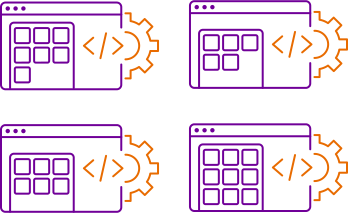
Before:
Web applications custom built on a per site basis.
My Task
Turning an early vision into a product.
Leadership identified the opportunity to move these recurring apps into a shared plugin, and engineering had started a beta. I joined to own the UX and logic of the web apps, define the MVP, and guide the product’s evolution, learning the platform through real client projects alongside engineering.
01
Systematizing the design
Designers were already reusing patterns, like a grid on the homepage and a list on an archive page. I inventoried them and turned them into configurable display options, so designers and clients get flexibility without custom development.
I also elevated the admin UI with a branded, proprietary look while keeping WordPress’s familiar interaction model.


News articles in various display options

Recurring Use:
How often did the app appear across existing client projects?
Upcoming Need:
Did an upcoming contracted project require it?
Engineering Effort:
What would it take to make the app stable and launch-ready?
02
Defining the MVP
The original concept had 23 potential apps, but clients were already being sold on the platform. Working app by app with engineering, I weighed how often each appeared across projects, whether upcoming contracts needed it, and the effort to make it launch-ready.
MVP Outcome
We shipped 14 apps in 2020. Valuable concepts were deliberately deferred when they weren't essential to launch.
03
Owning An Evolving Product
After MVP, the work moved from defining the initial product to learning from real client use and continuously deciding how the plugin should evolve.
I set up a request channel and prioritization process weighing requests by audience, value, effort, and impact. Repeated requests were the strongest signal, and bugs always came before features.
Engineering could resolve technical issues independently, but changes affecting UX flow or product functionality came back to me for review.
Product Evolution
Results
Measurable Impact
Shared releases distribute fixes and improvements across the platform. The product now runs on 300+ sites with 19 apps, heavily iterated through launch and steadily maintained since.
Before:
every client app was a custom build that needed site-specific engineering and upkeep.
After:
an existing web app needs no application engineering. It’s installed, configured, and picks up each site’s CSS.

19
web apps today from 14 at launch in 2020
300+
client sites powered with the platform
~0
engineering effort to apply web apps
Reflection
What I Learned
Invest more in QA
The MVP generated fast real-world feedback, but avoidable bugs. I would invest more heavily in structured pre-launch QA while preserving an iterative release mindset.
CLosing Takeaway
Building a scalable product is not only about making individual features reusable. The product, CMS, frontend system, engineering architecture, client needs, roadmap, and business model all have to work together.